In an age of uncertainty, complexity, and constant transformation, this conversation matters more than ever. Organisations are under pressure to prove progress, not just make it - and in that pressure, many mistake the comfort of conformity for the courage of change.

Frameworks, maturity models, transformation programmes - and of course, best practice - promise progress.
It sounds responsible. It sounds credible. But all too often, “best practice” is less about progress and more about protection - a way to sound confident while avoiding the discomfort of dealing with what’s really going on.
The Comforting Illusion of Best Practice
When things feel uncertain, someone inevitably says it:
“Let’s just follow best practice.”
It’s the corporate equivalent of “let’s be sensible.” It offers safety - the idea that someone, somewhere, has already solved this problem and written down the answer.
But in reality:
- Best practice is context-specific.
- Once removed from that context, it becomes generic.
- And when misused, it becomes a shield - blocking introspection.
It protects us from the harder questions:
- Why do we struggle to make decisions?
- What are we avoiding in our culture?
- Who actually owns the outcome?
These questions don’t fit neatly into a maturity model or process map - so we reach for something cleaner, something defensible, something safe.
“Tool Swapping”: A Better Mousetrap?
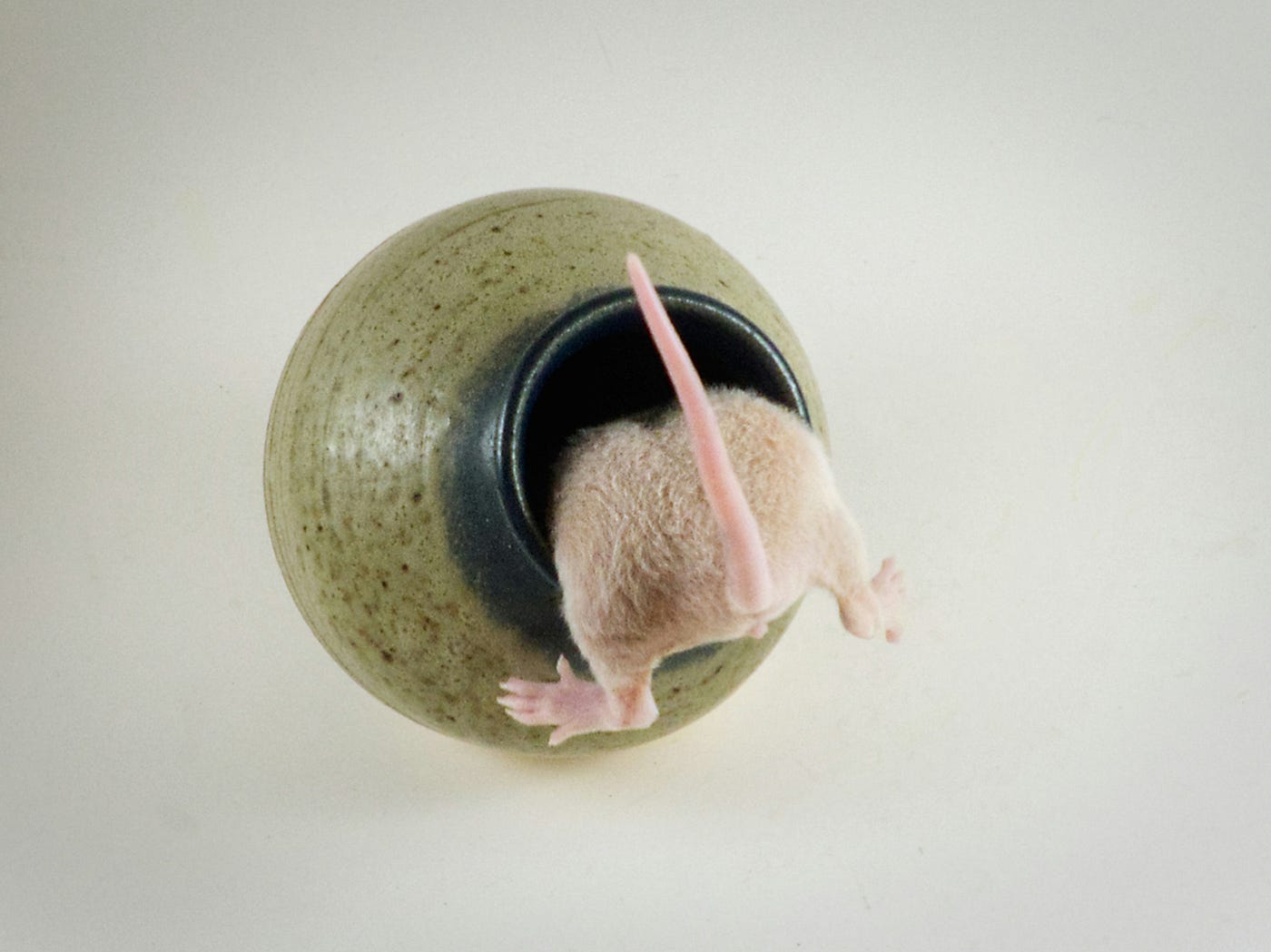
The same avoidance shows up in what I call tool swapping: replacing one system with another as a proxy for improvement.
A shinier platform. A different workflow tool. A new “AI-ready” dashboard.
Each promises alignment with best practice. But they’re just new vehicles running on the same fuel: broken assumptions and unclear accountability.
A tool that “implements best practice” can be even more dangerous - because it automates the illusion. It embeds someone else’s thinking into your organisation, hidden behind configuration screens and dashboards.
You’ll hear:
“It’s in the top quadrant.”
But that’s not maturity. That’s mimicry.
You can’t buy your way to maturity. You must create the right conditions for it to emerge.
Tool swapping looks like motion - but it’s actually avoidance dressed as innovation.
False Maturity and the Comfort of Conformity
Maturity models seduce organisations with the promise of linear, measurable growth:
- Level 1: Chaotic
- Level 2: Defined
- Level 3: Optimised
But human systems don’t evolve like software versions.
Maturity isn’t a ladder - it’s a mirror.
It reveals how clearly you see yourself.
Many organisations score well in assessments yet still fail to deliver meaningful value. They’ve mastered form, not function.
They can pass the audit. But they can’t adapt.
True maturity is coherence of intent - where purpose, design, and delivery align.
Context Beats Convention
Best practice feels like progress because it offers certainty.
But real improvement lives in uncertainty - in the messy, human space where systems, incentives, and emotions collide.
What works brilliantly for one organisation can harm another:
- A centralised model may stabilise one team and suffocate another.
- A rigid RACI may clarify accountability or crush initiative.
- A “world-class” tool may streamline reporting but disconnect real work.
Conversely, a tiny tweak that reflects real human flow can unlock massive value.
Best practice is a starting point - never the destination.
The moment it becomes the end, learning stops.
Why OSM Matters Here
This is where most frameworks fall short - and where Organisational Service Management (OSM) steps in.
OSM starts with understanding, not imitation.
Instead of prescribing what “good” looks like, OSM builds a living model of:
- how Services actually flow
- how people connect
- how decisions shape outcomes
It introduces human-centred metrics that best practice suppresses:
- measures of credibility
- measures of flow
- measures of friction
- measures of faith and trust
The model becomes a mirror, not a scoreboard.
OSM aligns vision with reality - enabling deliberate evolution instead of blind conformity.
Real maturity isn’t about climbing a model. It’s about moving closer to coherence.
What Real Progress Looks Like
Real progress starts when organisations stop hiding behind someone else’s answers.
It requires shifting from:
Adoption → Adaptation
Make ideas fit your world, not the other way around.
Tools → Transparency
Use systems that reveal how work actually flows.
Compliance → Consciousness
Understand why things work, not just whether they’re documented.
This is the practical heart of OSM - a mindset and model that makes growth intentional.
It’s not about throwing away what came before. Improvement builds on what works.
But reusing old patterns without asking “why this, here?” traps you in someone else’s limitations.
Every environment is unique - shaped by culture, capability, and context. So every practice must be tuned to fit its environment.
If not, “improvement” decays into routine. Good enough replaces great.
OSM prevents this slide by encouraging awareness, adaptability, and conscious evolution - using the past as foundation, not a cage.
The Courage to Stop Hiding
In the end, best practice isn’t the enemy. It’s how - and why - we use it.
It’s fine to borrow ideas, compare notes, and learn from others. But not if it becomes a substitute for awareness and innovation.
Real leadership is the courage to:
- look at what’s uncomfortable
- admit when the process isn’t the issue
- design from truth instead of imitation
So next time someone says:
“Let’s follow best practice.”
Pause. And ask:
“Whose problem did it solve - and is that actually the problem we have?”
If you enjoyed this, follow along for more thinking on:
- Organisational Service Management
- Service Flow
- Human-centred transformation
And if something sparked insight - I’d love to hear it.